Think learning languages through music is just for fun? Think again. Science shows music is one of the most powerful tools for language acquisition. Music activates brain regions that strengthen memory, pronunciation, and speaking skills in ways textbooks can’t match. This guide reveals how music-based language learning works, backed by neuroscience and real-world success stories, showing you exactly how to use songs and social interaction to master a new language faster and more enjoyably.
Table of Contents
- How Music Influences Brain And Language Acquisition
- Practical Benefits Of Music In Language Learning
- Using Song Lyrics To Enhance Grammar And Cultural Understanding
- Social Interaction And Confidence Building Through Music-Based Learning
- Explore Music-Based Language Learning With Canary
- Frequently Asked Questions
Key takeaways
| Point | Details | |-------|---------|| | Music reduces anxiety | Rhythmic and melodic elements create an emotional buffer that encourages risk-taking in speaking. | | Lyrics boost retention | Song lyrics provide repetitive, contextualized exposure that makes vocabulary and grammar stick better than rote drills. | | Social learning builds confidence | Sharing music and group singing foster community, lower stress, and motivate consistent practice. | | Pronunciation improves naturally | Mimicking melodies and rhythms helps learners adopt native accents and intonation patterns effortlessly. | | Cultural immersion deepens understanding | Music connects learners to idioms, expressions, and social contexts that bring language to life beyond vocabulary. |
How music influences brain and language acquisition
Your brain lights up differently when you learn through music compared to traditional study methods. Music activates both logical and creative hemispheres simultaneously, creating stronger neural pathways for vocabulary retention. The auditory cortex processes melodies while Broca’s area handles grammar, and this dual activation makes information stick.
Research shows overlap between brain regions processing music and speech facilitates faster language acquisition. Songs combine logical grammar processing with emotional and creative centers, building memory links that pure study can’t replicate. Rhythmic patterns help your brain chunk information into memorable sequences, which is why you can remember song lyrics from years ago but forget yesterday’s vocabulary list.
Music also trains pronunciation by exposing you to native accents and natural rhythm patterns. When you sing along, you’re practicing mouth movements, breath control, and intonation without consciously thinking about it. This automatic mimicry develops muscle memory for speaking, making your accent more authentic over time.
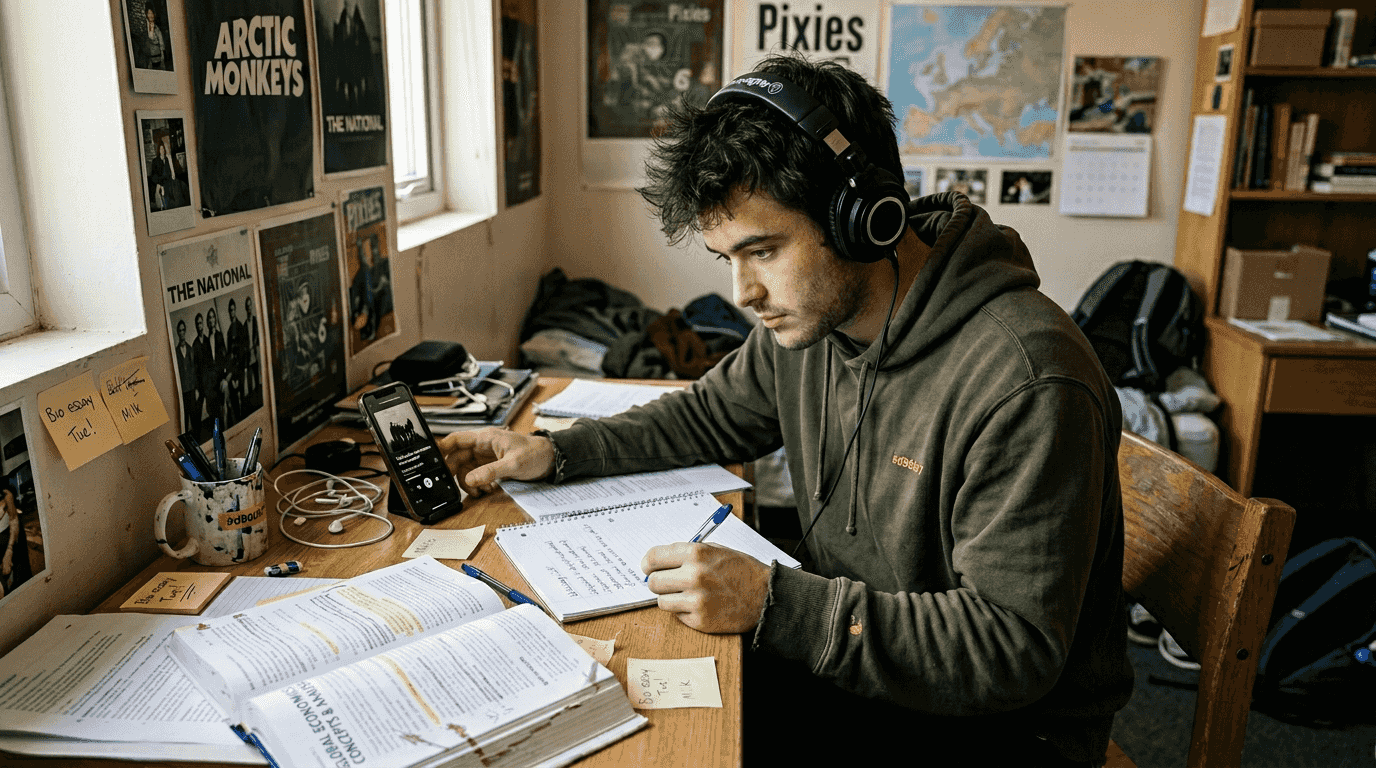
Pro Tip: Choose songs with clear lyrics in genres you already love to maximize brain engagement and maintain motivation for consistent practice sessions.
Here’s how to leverage music’s brain benefits:
- Pick songs slightly above your current level to challenge without overwhelming
- Listen repeatedly to build pattern recognition before analyzing lyrics
- Sing along to activate motor areas responsible for speech production
- Use music to boost vocabulary retention through emotional connections
- Switch between genres to expose yourself to different vocabulary sets and cultural contexts
Practical benefits of music in language learning
Music transforms the emotional landscape of language learning. Learners feel more relaxed and willing to speak when music reduces anxiety, creating the psychological safety needed to make mistakes and improve. Malaysian pupils in music-led classes showed dramatically lower anxiety and higher motivation compared to traditional instruction methods.
Repeated melodies create natural spaced repetition that embeds vocabulary deeper than flashcards ever could. You’re not forcing memorization; you’re letting catchy hooks do the work while you enjoy the music. This effortless retention happens because music packages information in emotionally meaningful contexts your brain prioritizes for long-term storage.
Pronunciation improvements happen almost automatically. When you mimic melodies and rhythms, you’re training your mouth to form sounds correctly without tedious drill exercises. The musicality guides your tongue placement, breath patterns, and stress timing naturally.
Educators celebrate music’s universal appeal for keeping classrooms energized and students engaged across cultural and age boundaries.
Motivation skyrockets when learning feels like entertainment rather than work. You’ll practice longer and more consistently because you’re genuinely enjoying the process. This sustained engagement leads to faster progress and better retention than forcing yourself through boring drills.
Key practical advantages include:
- Reduced speaking anxiety through rhythmic emotional regulation
- Enhanced memory formation via melody-linked neural pathways
- Improved accent through natural mimicry of native pronunciation
- Increased practice time because music makes learning genuinely enjoyable
- Better cultural understanding through educational benefits of music exposure
Using song lyrics to enhance grammar and cultural understanding
Lyrics provide rich material for dissecting sentence structure and grammatical patterns in context. Unlike textbook examples, lyric analysis offers tangible methods for grammatical exploration that boost comprehension naturally. You’re seeing real usage by native speakers, complete with idioms, slang, and cultural references that textbooks often miss.
Repeated listening creates multiple exposures to the same vocabulary in meaningful contexts. Each replay reinforces word meanings, grammatical structures, and pronunciation patterns without feeling like repetitive drill work. Your brain absorbs patterns subconsciously while you focus on enjoying the music.
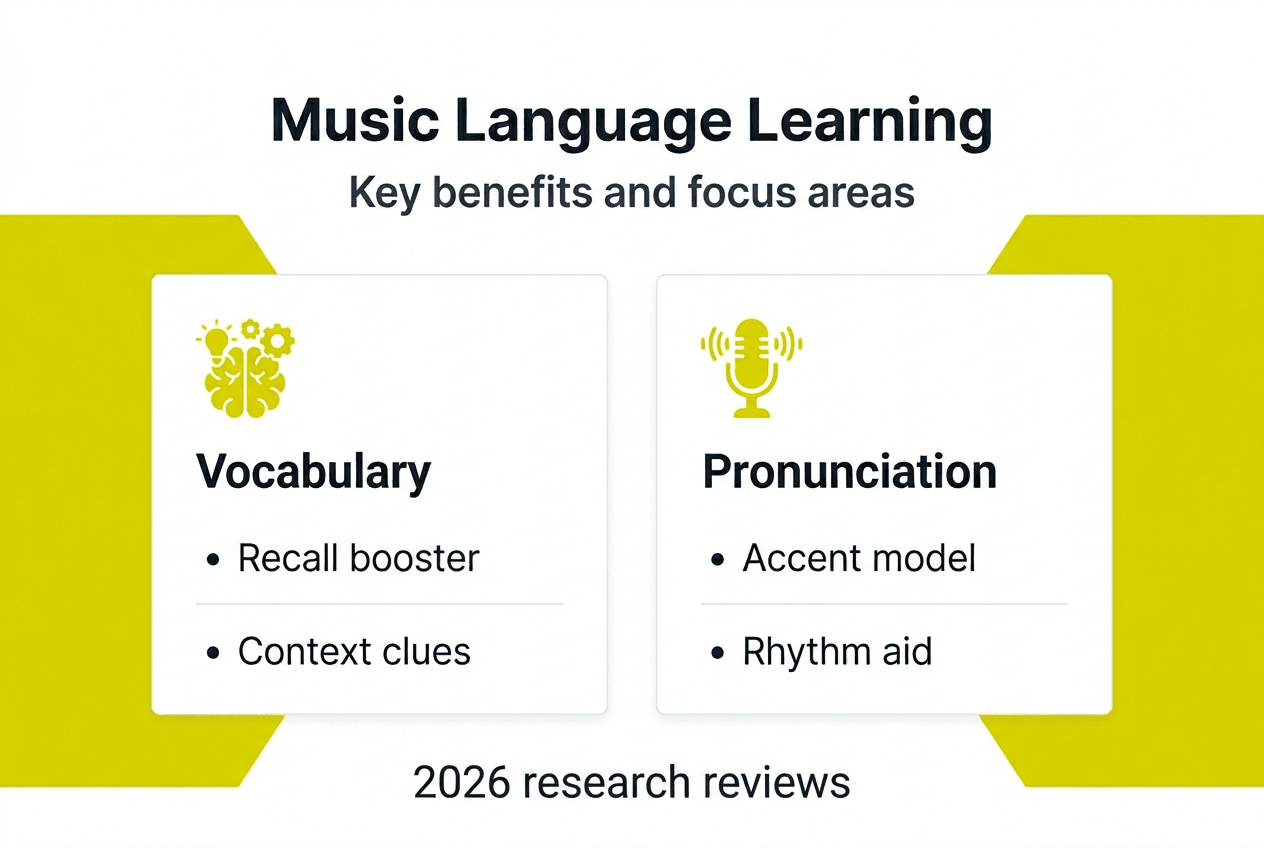
Cultural nuances embedded in lyrics deepen your language understanding beyond mere vocabulary. Music connects learners to culture, including idiomatic expressions and social contexts that bring language alive. You learn how people actually speak, what they care about, and how they express emotions authentically.
Here’s how to analyze lyrics effectively:
- Listen without looking at lyrics first to train your ear
- Read lyrics while listening to connect sounds with written words
- Identify unfamiliar words and phrases within their sentence context
- Note grammatical patterns and how they differ from your native language
- Research cultural references to understand deeper meanings and social context
- Practice singing to internalize pronunciation and rhythm patterns
| Learning Method | Vocabulary Retention | Grammar Understanding | Cultural Context |
|---|---|---|---|
| Lyric Analysis | High (contextual, emotional) | Strong (real usage patterns) | Deep (authentic expressions) |
| Vocabulary Drills | Medium (isolated, mechanical) | Weak (no context) | None (abstract lists) |
| Cultural Immersion | High (lived experience) | Strong (natural acquisition) | Deep (firsthand exposure) |
Pro Tip: Create themed playlists organized by topics like travel, relationships, or work to build targeted vocabulary sets while exploring different types of language learning methods that suit your interests.
Social interaction and confidence building through music-based learning
Sharing favorite songs creates natural conversation opportunities that encourage discussion and articulation practice. When you explain why you love a particular track or discuss its meaning, you’re using the target language authentically rather than rehearsing scripted dialogues. This organic practice builds real-world communication skills.
Collaborative learning through music builds speaking confidence and encourages communication in low-pressure environments. Group singing lowers stress because everyone’s focused on the music rather than scrutinizing individual performance. This collective experience fosters community bonds that motivate continued practice.
Music-based social learning specifically helps overcome speaking anxiety. When you’re singing or discussing songs with others, the pressure to be perfect disappears. Mistakes become part of the fun rather than embarrassing failures, creating the psychological safety needed for rapid improvement.
Research confirms singing enhances communication skills, academic performance, and interpersonal relations. The social bonds formed through shared musical experiences create supportive learning communities that celebrate progress and provide encouragement during challenging phases.
Ways to engage socially with music:
- Join online communities discussing songs in your target language
- Attend virtual or in-person karaoke sessions with fellow learners
- Share song recommendations and discuss lyrics with language exchange partners
- Participate in weekly song challenges that build consistent practice habits
- Create collaborative playlists with international friends learning your native language
- Host music-themed language meetups focused on specific genres or artists
Pro Tip: Form or join dedicated music language groups that meet regularly to discuss new songs, practice pronunciation, and share cultural insights that deepen everyone’s understanding and motivation.
Explore music-based language learning with Canary
Ready to transform your language learning with the power of music? Canary combines neuroscience-backed methods with social features and curated song libraries designed specifically for language acquisition. The platform offers interactive lyric analysis, vocabulary cards, quizzes, and karaoke features that make practice engaging and effective.
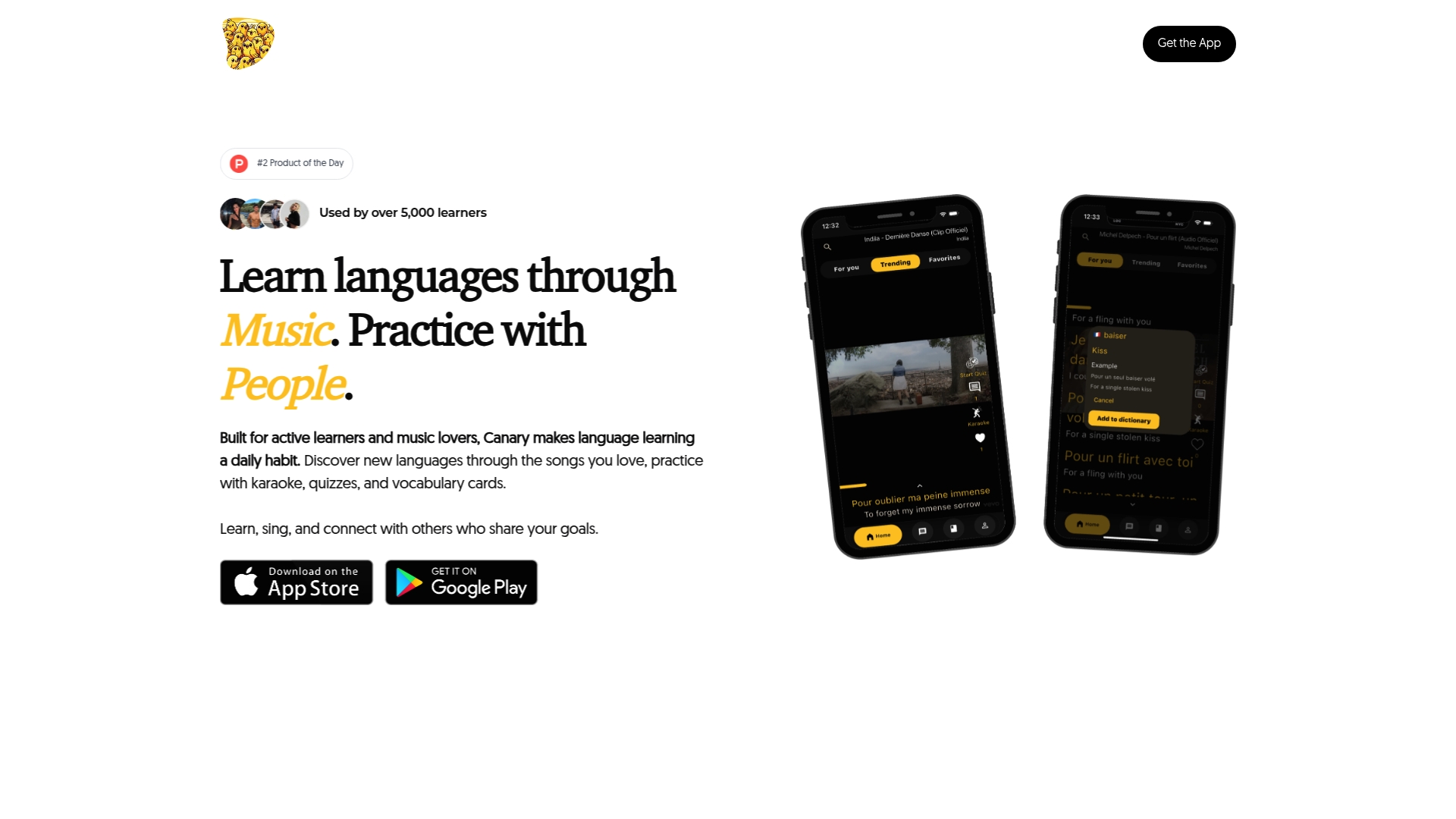
Canary’s community-driven approach connects you with international learners who share your passion for music. Practice pronunciation together, discuss song meanings, and build lasting friendships while mastering new languages. The platform’s structured workflow for beginners guides you from your first song to fluent conversation.
Join thousands of music lovers who’ve discovered that learning languages through music isn’t just more enjoyable but also more effective than traditional methods. Start exploring curated weekly songs tailored to different skill levels and turn your playlist into your most powerful learning tool.
Frequently asked questions
What is music-based language learning?
Music-based language learning uses songs, lyrics, and musical activities as primary tools for acquiring new languages. This approach leverages music’s ability to activate multiple brain regions simultaneously, creating stronger memory connections than traditional study methods. Learners analyze lyrics, practice pronunciation through singing, and engage with cultural context embedded in songs.
Is music-based language learning more effective than traditional methods?
Research shows music-based learning can be significantly more effective for vocabulary retention, pronunciation improvement, and maintaining motivation. The emotional engagement and repetitive nature of music create natural spaced repetition that embeds information deeply. However, combining music with other methods like conversation practice and grammar study typically produces the best overall results.
How do I start learning a language through songs?
Begin by selecting songs slightly above your current level in genres you enjoy. Listen several times before looking at lyrics to train your ear. Then read along while listening to connect sounds with words. Analyze unfamiliar vocabulary and grammatical structures within context, and practice singing to improve pronunciation and build muscle memory.
Can music really improve my pronunciation and accent?
Yes, mimicking melodies and rhythms trains your mouth to form sounds correctly and adopt natural intonation patterns. Singing activates motor areas responsible for speech production, building muscle memory for authentic pronunciation. Regular practice with native speaker recordings helps you internalize accent features subconsciously through enjoyable repetition.
How does social interaction through music help language acquisition?
Sharing songs and singing with others reduces speaking anxiety by creating low-pressure practice environments. Group activities foster supportive communities that celebrate progress and provide motivation. Discussing song meanings and cultural context with fellow learners or native speakers builds authentic communication skills that transfer directly to real-world conversations.
What cultural benefits does music-based learning provide?
Music exposes you to idiomatic expressions, slang, social values, and emotional nuances that textbooks rarely cover. Songs reflect how people actually speak and what matters in their culture. This authentic cultural immersion helps you understand context, humor, and subtle meanings that make you sound natural rather than robotic when speaking.