TL;DR:
- Practicing with native speakers is the fastest way to develop conversational fluency. Combining structured tutoring, language exchange apps, and interest groups provides comprehensive practice tailored to your level and schedule. Consistently preparing for sessions and focusing on meaning rather than perfection accelerates language learning.
Practicing speaking with native speakers is the fastest way to build real conversational fluency. Grammar apps and vocabulary drills build a foundation, but they cannot replicate the rhythm, slang, and cultural cues that come from live conversation. Methods like one-on-one tutoring through platforms such as TrunkCall, language exchange apps like HelloTalk and Tandem, and social language practice communities each offer a different path to the same goal. The right choice depends on your level, your schedule, and how you learn best.
What are the best ways to practice speaking with native speakers?
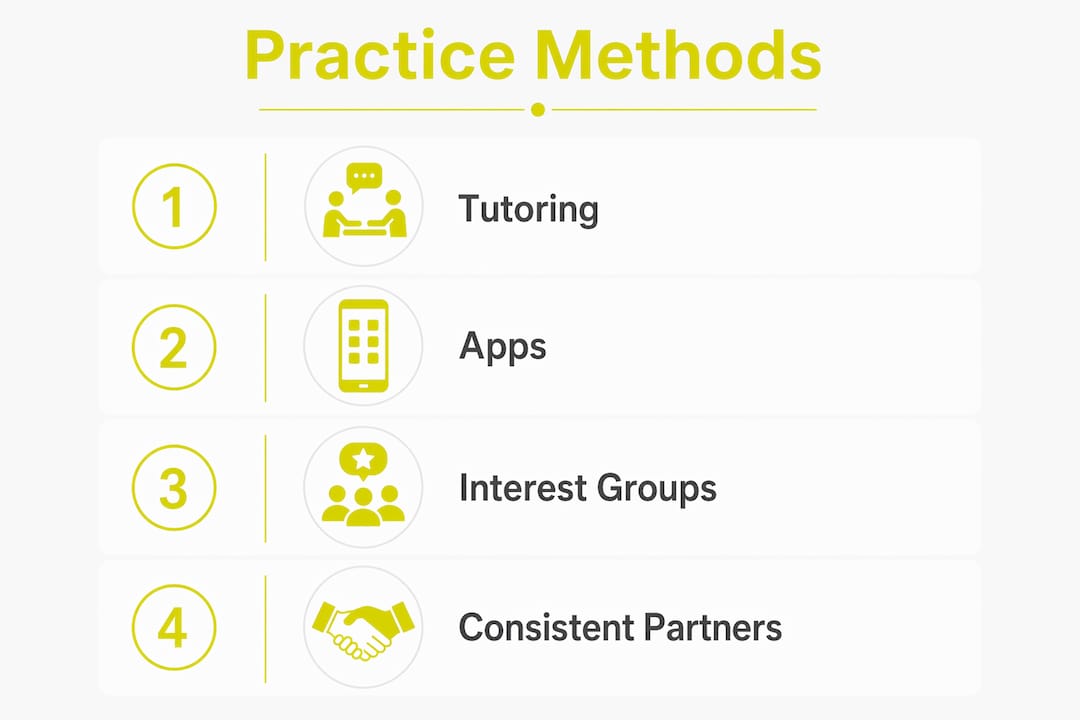
Three methods dominate effective speaking practice with natives: structured tutoring, language exchange apps, and community groups. Each works differently, and each suits a different learner profile.

Structured tutoring sessions
One-on-one sessions with a professional tutor deliver the most controlled environment for improvement. 30-minute sessions, 2–3 times weekly produce better fluency gains from beginner to intermediate than daily app drills alone. That frequency builds habit without burning you out. Tutors on platforms like iTalki or TrunkCall let you set the agenda, choose your correction style, and track progress over time. The structure is the advantage.
Language exchange apps
Apps like HelloTalk and Tandem connect you with native speakers who want to learn your language in return. These apps work best once you reach a basic conversation level, roughly B1 on the Common European Framework of Reference for Languages scale. Below that threshold, sessions can stall because you lack the vocabulary to keep a conversation going. The cost is zero, but the trade-off is consistency. Partners cancel, go quiet, or lose motivation. You need a backup plan.
Online communities and interest groups
Joining interest-based groups gives you a natural reason to keep talking. A cooking group, a film club, or a gaming community in your target language puts conversation in context. You are not practicing for practice’s sake. You are talking about something you care about, which keeps motivation high and makes vocabulary stick. Meetup.com and Reddit language communities both host active groups for dozens of languages.
Here is a quick comparison to help you choose:
| Method | Best for | Cost | Consistency |
|---|---|---|---|
| Professional tutor | Beginners to intermediate | Paid | High |
| Language exchange app | B1+ learners | Free | Variable |
| Online interest group | All levels | Free | Medium |
| Video chat platforms | Intermediate to advanced | Free or paid | High with same partner |
Pro Tip: Mix at least two methods. Use a tutor for structured correction and an interest group for natural conversation. One without the other leaves gaps.
How to prepare for speaking sessions with native speakers
Preparation separates productive sessions from frustrating ones. Learners who show up without a plan waste the first ten minutes deciding what to talk about.
- Define your goal. Are you preparing for travel, a job interview, or general fluency? Your goal shapes every session. A travel goal calls for practical phrases and directions. A fluency goal calls for open-ended storytelling and debate.
- Set your correction preference. Tell your partner or tutor exactly how you want feedback. Requesting tutor interruptions for aggressive correction leads to faster fluency gains than waiting until the end of a session. Most learners default to gentle feedback, but proactive correction works better.
- Prepare a topic and five related words. Pick a subject you genuinely want to discuss. Look up five words you expect to need but do not know yet. This small step keeps the conversation moving and gives you something to practice immediately.
- Structure the session. A simple format works well: five minutes of warm-up small talk, fifteen minutes on your chosen topic, five minutes of error review, and five minutes of homework or vocabulary notes. That structure fits a standard 30-minute session perfectly.
- Manage nerves before you start. Nervousness is normal and does not disappear on its own. Active listening to native podcasts or TV shows before a session warms up your ear and reduces the shock of real-time speech. Treat it like a warm-up run before a race.
Pro Tip: Record yourself for two minutes before each session. Play it back after. You will catch pronunciation habits you never noticed.
Common challenges when talking with native speakers
Every learner hits the same walls. Knowing what they are makes them easier to get past.
- Fear of mistakes. Mistakes are the mechanism of learning, not a sign of failure. Native speakers generally find accented or imperfect speech charming, not irritating. The discomfort is internal, not external.
- Fast speech and unfamiliar accents. Native speakers do not slow down for learners by default. Ask them directly to speak at 80% speed. Most will comply without hesitation, and you adjust faster than you expect.
- Partner reliability. Language exchange partners cancel. They get busy. They find a more advanced partner. Build redundancy into your schedule by maintaining two or three active partners at once.
- Balancing correction and flow. Constant grammar correction kills conversation momentum. Effective live practice balances fluency-focused conversation with strategic error correction, ideally through learner-requested interruptions rather than constant grammar policing.
- Plateaus in comprehension. You understand your regular partner perfectly but freeze with a new speaker. This is normal. Vary your partners and practice with native content like music, podcasts, and films to train your ear across accents.
“The goal of a conversation session is not a perfect sentence. It is a completed thought. Fluency is built one completed thought at a time.”
Short daily conversations of 15 minutes build fluency faster than long, infrequent sessions. Consistency beats intensity every time. A 15-minute daily habit outperforms a two-hour weekly marathon.
How to find the right language exchange partners
The right partner makes the difference between a practice habit and a practice chore. Not every native speaker is the right fit for your learning goals.
What to look for in a partner:
- Commitment to a regular schedule, at least once per week
- A similar level of interest in language learning, not just casual curiosity
- Willingness to give feedback, not just chat
- A shared interest or topic area that sustains conversation naturally
- Time zone overlap that makes scheduling realistic
Repeated sessions with the same partner build comprehension faster than random sessions with different speakers. Familiarity with someone’s voice, pace, and vocabulary reduces the cognitive load of listening. That freed-up attention goes toward speaking better.
A critical point most learners overlook: native status alone does not guarantee good teaching. A native speaker who models natural language and reacts to your meaning accelerates your fluency more than one who stops to correct every grammar error. Prioritize partners who engage with what you say, not just how you say it.
Here is a breakdown of where to find partners and what each platform offers:
| Platform | Type | Best for | Cost |
|---|---|---|---|
| HelloTalk | Language exchange app | Casual text and voice chat | Free |
| Tandem | Language exchange app | Video calls with structured exchange | Free or paid |
| iTalki | Tutor marketplace | Professional 1:1 sessions | Paid |
| BeeMingle | Video chat community | Repeated sessions with same partner | Free or paid |
| Reddit language groups | Community forum | Finding partners with shared interests | Free |
For beginners, start with a paid tutor to build confidence. Once you reach a conversational level, find language exchange partners through HelloTalk or Tandem to practice in a lower-stakes environment. The two approaches complement each other well. You can also explore group language learning for variety and social motivation.
Pro Tip: Use your first session with any new partner as an interview. Ask about their schedule, their feedback style, and what they want to practice. If the answers do not match your needs, move on without guilt.
Key takeaways
Speaking practice with native speakers accelerates fluency when you combine structured sessions, consistent partners, and deliberate preparation.
| Point | Details |
|---|---|
| Frequency beats duration | Short sessions 2–3 times weekly outperform rare long lessons for fluency gains. |
| Choose partners strategically | Prioritize partners who model natural language over those who only correct grammar. |
| Prepare every session | Define a topic, set correction preferences, and bring five new words to each conversation. |
| Mix your methods | Combine paid tutoring with free exchange apps and interest groups for full coverage. |
| Consistency is the variable | Daily 15-minute conversations build fluency faster than occasional marathon sessions. |
What I actually learned from years of speaking practice
Most learners treat speaking practice as a performance. They prepare scripts, rehearse answers, and then freeze the moment a native speaker goes off script. That is the wrong frame entirely.
The sessions that moved my fluency forward the most were the ones where I stopped trying to sound correct and started trying to be understood. Those are not the same goal. Correct sounds polished. Understood means the conversation keeps moving. Native speakers respond to meaning, not grammar. When you shift your focus from accuracy to communication, your confidence rises and your accuracy follows naturally.
The other thing I would tell every learner: start earlier than you think you are ready. Most people wait until they feel “good enough” to speak with a native speaker. That moment never comes on its own. The speaking practice is what creates the readiness. Waiting for confidence before practicing is like waiting to be fit before going to the gym.
Short sessions work. Fifteen minutes a day with a committed partner beats a two-hour weekly lesson you dread. Pick topics you genuinely enjoy. If you love football, talk about football. If you love cooking, find a partner who cooks. The language you learn in a conversation you care about stays with you far longer than vocabulary from a textbook.
— Ben
Singwithcanary: practice speaking through music and community
Singwithcanary combines music and social interaction to make speaking practice a daily habit rather than a scheduled obligation.
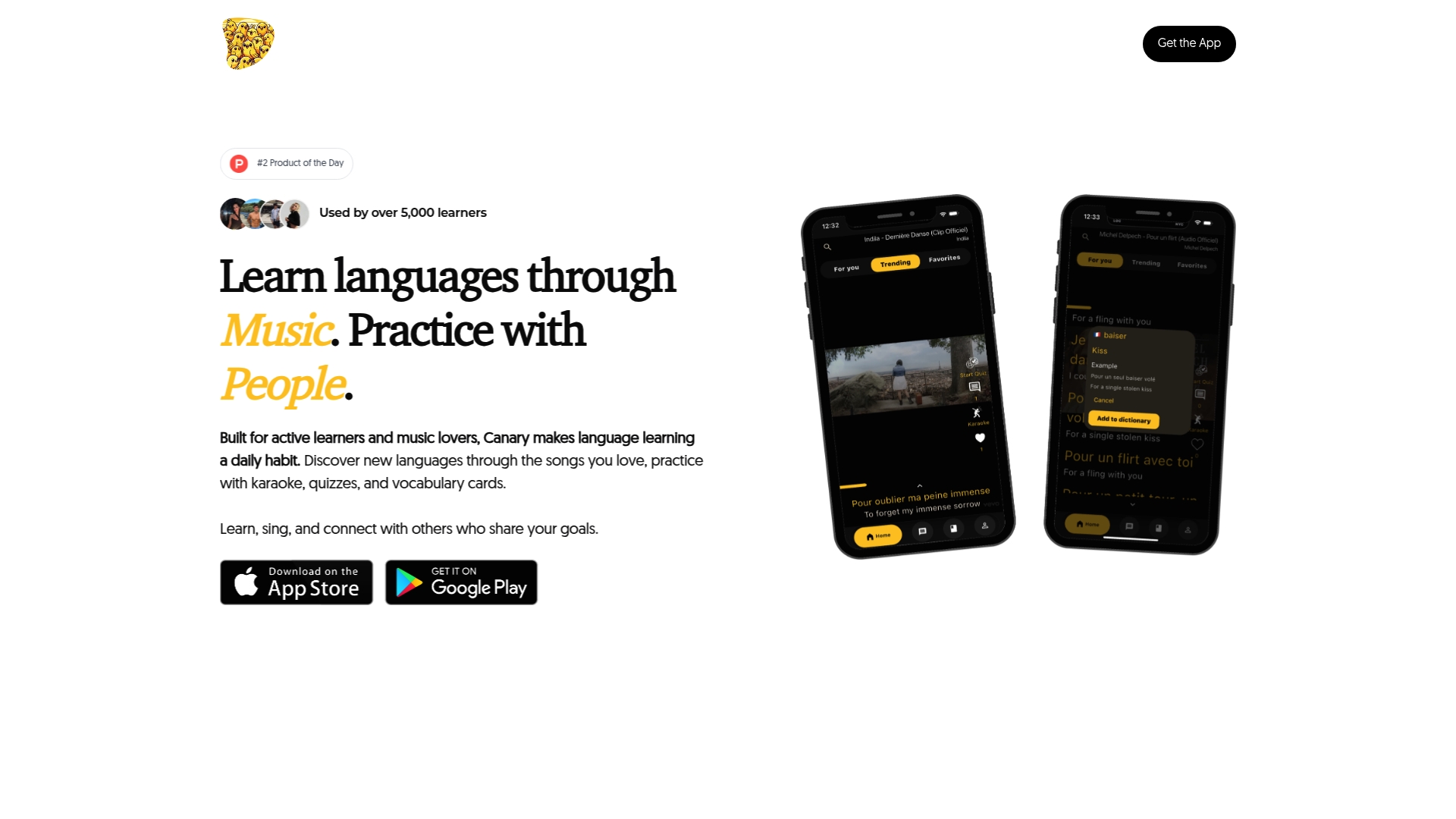
The platform uses song lyrics, karaoke, and vocabulary cards to build pronunciation and ear training in context. Learners practice with international speakers through music-driven interaction, which keeps sessions engaging and culturally grounded. Singwithcanary is built for learners who want to practice speaking confidently without the pressure of a formal lesson. You can explore the best apps for practicing with natives or go straight to Singwithcanary to see how music-based learning fits into your speaking practice routine.
FAQ
How often should I practice speaking with native speakers?
30-minute sessions 2–3 times per week produce strong fluency gains for beginners and intermediate learners. Daily 15-minute conversations are also effective and easier to sustain long-term.
What level do I need before using language exchange apps?
Language exchange apps like HelloTalk and Tandem work best at a B1 level or above. Below that, limited vocabulary makes it hard to sustain a real conversation.
Is a native speaker always the best practice partner?
Not automatically. Partners who model natural language and respond to your meaning accelerate fluency more than those who focus only on correcting grammar errors.
How do I stop being nervous when speaking with native speakers?
Nervousness decreases with repetition and familiarity. Start with a consistent partner, prepare a topic in advance, and listen to native audio before each session to warm up your ear.
What is the fastest way to improve speaking skills with natives?
Combine structured tutor sessions for correction with interest-based group practice for natural conversation. Consistency and varied exposure to different speakers produce the fastest results.