TL;DR:
- Building a language learning checklist tailored for singles emphasizes daily speaking practice, cultural exposure, and social vocabulary to foster real-world connections. Incorporating pronunciation drills, immersive activities, and regular language exchanges accelerates confidence and conversational skills within three months. Embracing imperfect speech and consistent effort transforms language anxiety into genuine social and romantic fluency.
You already know another language could open doors socially. What most language learning guides miss is that singles have a specific set of goals: building the confidence to flirt, connect, and hold real conversations with people who excite them. A solid language learning checklist for singles addresses exactly that, combining structured study with the kind of social readiness traditional courses rarely teach. This guide gives you a clear, prioritized checklist so you can stop fumbling with generic apps and start building skills that actually help you connect.
Table of Contents
- Key takeaways
- Your language learning checklist for singles: the right criteria
- 1. Commit to speaking from day one
- 2. Build a 15-minute daily pronunciation drill
- 3. Add daily immersive exposure
- 4. Use spaced repetition for vocabulary
- 5. Schedule weekly language exchange sessions
- 6. Integrate music into your daily study
- 7. Focus on socially relevant vocabulary first
- 8. Comparing your options: a practical breakdown
- 9. Customize your checklist to fit your life
- My honest take on learning a language as a single adult
- Start practicing with Singwithcanary today
- FAQ
Key takeaways
| Point | Details |
|---|---|
| Speak from day one | Waiting until you feel “ready” slows progress; embrace mistakes early to build real confidence. |
| Daily short sessions win | Fifteen to twenty minutes every day beats two-hour weekend cramming sessions every time. |
| Social context matters | Include dating phrases, social idioms, and cultural cues so your checklist serves real-life connection. |
| Music accelerates learning | Song-based study improves pronunciation, rhythm, and vocabulary retention faster than drills alone. |
| Customize to your lifestyle | Adjust checklist priorities based on your schedule, current level, and specific social goals. |
Your language learning checklist for singles: the right criteria
Before you pick an app, buy a course, or sign up for a class, you need a filter. Not every method serves singles equally. The formal term for what you’re building is a communicative language learning framework, and the best ones for independent adult learners share a few non-negotiable traits.
The criteria that matter most for a singles language study guide:
- Speaking practice starts immediately. Speaking from day one produces faster fluency than any grammar-first method. Waiting until you feel ready is the single biggest mistake adults make.
- Short daily sessions. Research confirms that 15 to 20 minutes daily outperforms long, infrequent sessions. Your brain retains more with regular exposure.
- Culturally relevant content. Generic vocabulary lists skip the social idioms, humor, and flirting cues that make real conversations work.
- Pronunciation focus built in. Your mouth needs physical practice. Morning pronunciation drills, when your mouth is relaxed and ready, are especially effective.
- Social interaction opportunities. Language exchange meetups, tandem apps, and online communities provide the human element no solo app can replace.
- Spaced repetition for vocabulary. Tools that schedule review at optimal intervals make words stick with far less effort.
- Realistic conversational goals. Fluency is not the target. B1 conversational ability is enough for most social and dating contexts, and consistent daily effort for roughly three months can get you there.
Pro Tip: Set your phone’s language to your target language from day one. It’s low-effort immersion that builds recognition of everyday vocabulary without any extra study time.
1. Commit to speaking from day one
The fear of saying something wrong keeps most language learners silent for months. That silence is the actual obstacle, not grammar gaps. Structured practice with a communicative approach produces faster improvement, so your checklist should include at least one speaking activity every single day, even if that means talking to yourself out loud.
Record yourself, repeat phrases from songs or shows, or narrate your morning routine in your target language. The goal is getting your mouth used to the sounds before your brain demands perfection.
2. Build a 15-minute daily pronunciation drill
Your mouth is a muscle. Early-morning drills, when you are relaxed and not yet in the mental rush of the day, train the specific sounds your native tongue does not use. Pick five to ten sounds that feel unnatural and work them for a few minutes each morning.

Check out Singwithcanary’s pronunciation improvement tips for a structured approach that works whether you are a complete beginner or already conversational. Accurate pronunciation matters more for dating contexts than most people realize. A native speaker notices effort and accuracy long before they notice vocabulary size.
3. Add daily immersive exposure
Combining structured lessons with cultural exposure accelerates learning and retention significantly. Swap one activity you already do into the target language.
- Change your phone and social media settings to the new language
- Watch one short YouTube video or show episode with target-language subtitles
- Listen to a playlist in your target language during commutes
- Follow social media accounts run by native speakers on topics you care about
The goal is thinking in the language naturally, and passive exposure trains that reflex faster than flashcard drills alone.
4. Use spaced repetition for vocabulary
Flashcard apps that use spaced repetition algorithms schedule each word review at exactly the right moment before you forget it. This method is far more efficient than re-reading word lists. For singles, prioritize vocabulary sets built around social situations: restaurants, introductions, opinions, humor, and yes, romantic contexts.
Build a daily language practice workflow that includes ten minutes of vocabulary review after your morning pronunciation drill. Keeping the two habits adjacent makes them easier to maintain.
5. Schedule weekly language exchange sessions
Language exchange meetups and tandem programs serve double duty: they give you real speaking practice and they are genuinely social. Apps like Tandem and HelloTalk connect you with motivated partners worldwide. Local meetup groups offer the same in person.
The magic of a language exchange is mutual vulnerability. Both people are learning. That equal dynamic removes the pressure that makes many singles freeze up in real conversations.
Pro Tip: Treat your first few language exchange sessions as low-stakes social practice. Bring two or three conversation starters in your target language. Conversation cards, like these icebreaker formats, work well for keeping exchanges fun and natural.
6. Integrate music into your daily study
Music-infused learning boosts pronunciation, vocabulary retention, and contextual understanding. Songs teach rhythm, stress patterns, and colloquial language in ways textbooks simply cannot. When you learn a phrase through a song, the melody becomes a memory trigger that makes recall automatic.
Singwithcanary is built entirely around this method. Karaoke-style practice, vocabulary cards pulled from real lyrics, and listening quizzes train your ear and your mouth at the same time. For singles especially, this matters because natural speech rhythm is what makes you sound fluent long before your grammar is perfect.
7. Focus on socially relevant vocabulary first
Most self-study language resources for singles start with airport vocabulary or business phrases. Skip to what you actually need. Build your early vocabulary around:
- Introducing yourself with personality, not just name and nationality
- Expressing opinions on food, music, travel, and culture
- Understanding humor and sarcasm in context
- Asking questions that invite real conversation
- Flirting phrases and understanding romantic cues in the culture
Check out Singwithcanary’s guide to language apps for dating for a curated list of tools that prioritize exactly this kind of vocabulary.
8. Comparing your options: a practical breakdown
Not every tool fits every single. Here is how the main methods stack up when you run them through the checklist criteria above.
| Method | Best for | Weak spot | Social readiness rating |
|---|---|---|---|
| Solo app study | Vocabulary and grammar foundations | Very low speaking practice | Low |
| Group language courses | Structure and accountability | Slow pace, limited conversation | Medium |
| Language exchange (tandem) | Real conversation, cultural context | Requires scheduling discipline | High |
| Music-based learning (Singwithcanary) | Pronunciation, rhythm, and engagement | Less grammar depth | High |
| Language immersion abroad | Full cultural and social fluency | Expensive and time-intensive | Very High |
For most singles, the ideal stack combines a music-based daily habit for pronunciation and vocabulary, tandem sessions for speaking practice, and one structured resource for grammar when specific gaps appear.
9. Customize your checklist to fit your life
A checklist you ignore is worthless. The best singles language study guide is the one you actually follow.
- Assess your current level honestly. Are you starting from zero or already conversational? Your starting point determines which checklist items deserve the most time first.
- Identify your most urgent social goal. Planning a trip? Trying to connect with someone specific? Use that goal to prioritize relevant vocabulary and scenarios.
- Map your available time. Busy singles with packed schedules need a lean checklist: one pronunciation drill, one vocabulary session, and one speaking activity per day. Personalized short daily goals build better habits than ambitious plans that collapse after two weeks.
- Add local slang and cultural context. Romance and humor read very differently across cultures. Research the dating norms of the culture you are engaging with.
- Review and adjust monthly. After thirty days, something will feel too easy and something will still feel hard. Shift your focus accordingly.
For more on building a sustainable daily system, Singwithcanary’s guide to daily language habits offers practical workflows for learners at every level.
My honest take on learning a language as a single adult
I have watched a lot of singles bail on language learning right at the worst moment, about six to eight weeks in. They hit what I think of as the flat zone. Conversations feel stiff and dull. Dates feel awkward. They assume they just lack the gift for languages.
What’s actually happening is a language gap creating perceived chemistry gaps. You cannot be funny, charming, or spontaneous in a language you barely speak. That is not a personality problem. It is a vocabulary problem, and it is temporary.
In my experience, the singles who push through that three-month window are the ones who come out the other side genuinely transformed. Not just in language ability. In confidence. The tandem partner who laughed at your grammar mistakes last month becomes someone you can actually connect with deeply by month four.
The advice to “speak perfectly before you speak publicly” is genuinely damaging. I have seen people spend eighteen months on grammar apps and still freeze in real conversation. Speaking imperfectly and consistently beats studying perfectly and silently, every time.
Focus on real connections over flawless sentences. Locals and partners appreciate honest attempts far more than polished silence. Start messy. Improve in public. That is the whole game.
— Ben
Start practicing with Singwithcanary today
Building a language learning checklist is only useful if the tools behind it are genuinely engaging. That is where Singwithcanary stands apart from standard study apps.
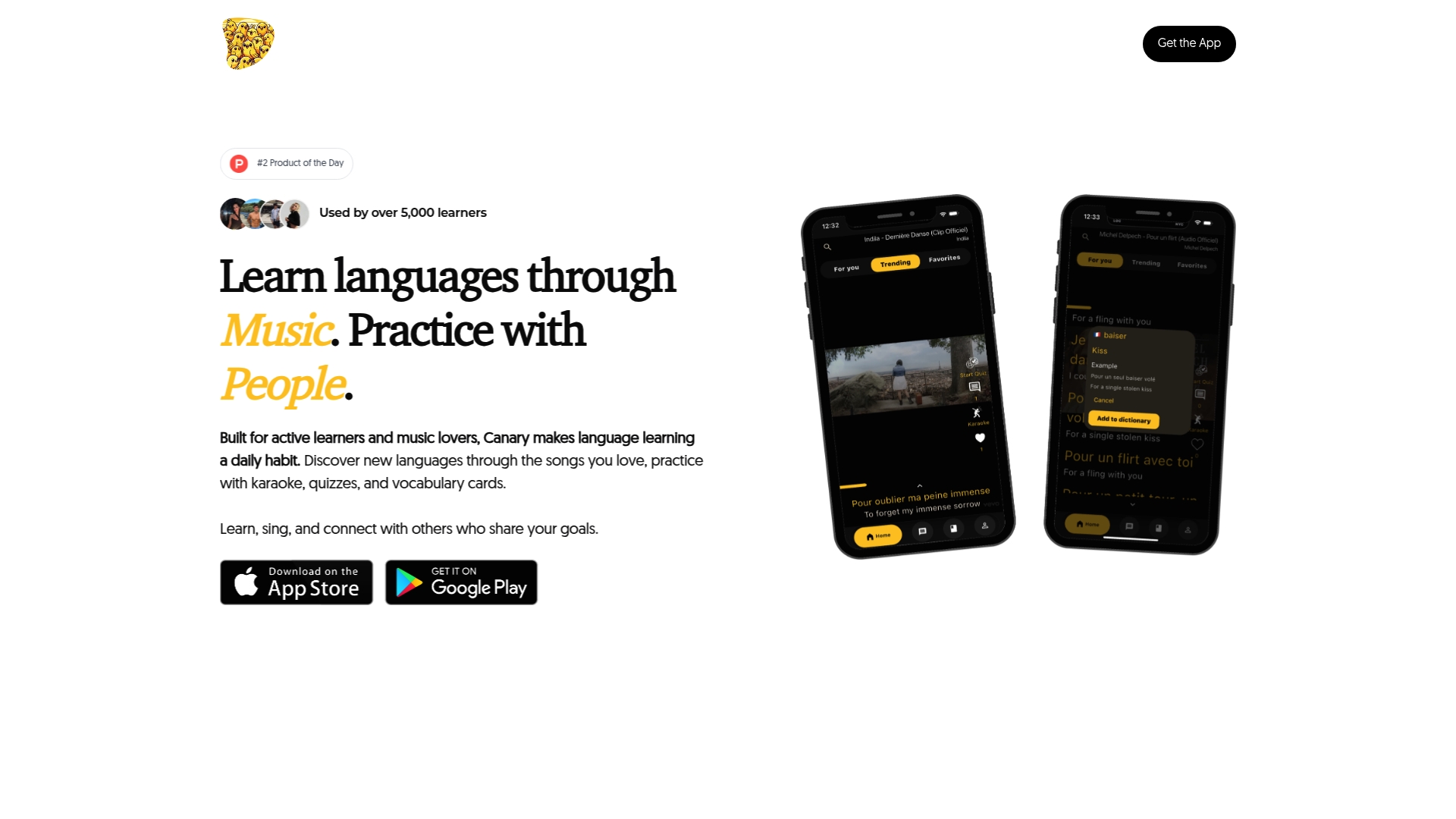
Singwithcanary combines music and social interaction to make daily practice something you actually look forward to. Karaoke-style exercises, lyric-based vocabulary cards, and listening quizzes train your ear and your speaking rhythm together. For singles who want to sound natural and connect with real people, the platform’s community features let you practice with international learners who share your goals. Explore apps for practicing with natives or jump straight into the full platform to start your first music-driven session today.
FAQ
How long does it take to reach dating-level fluency?
With consistent daily effort of around 15 to 20 minutes, most learners reach conversational B1 in roughly three months, which is sufficient for social and dating scenarios in most contexts.
What should a language learning checklist for singles include?
It should cover daily speaking practice, pronunciation drills, spaced repetition vocabulary, immersive cultural exposure, and at least one weekly language exchange session with a native or tandem partner.
Is music really effective for language learning?
Yes. Music-infused study improves pronunciation rhythm, vocabulary retention, and ear training, making it one of the most effective and engaging methods for adult learners building social fluency.
What are the best languages for singles to learn?
The best choice depends on your dating goals and location. Spanish, French, Italian, and Portuguese are widely spoken, culturally rich, and highly relevant for romantic contexts across Europe and Latin America.
How do I overcome speaking anxiety in a new language?
Start with language exchange apps where both partners are learning, keep early conversations short and topic-focused, and remind yourself that locals value honest attempts over silence. The anxiety fades significantly after the first few weeks of consistent practice.