If you love music and want to learn a new language, you’re already ahead of the game. Music offers a powerful pathway to improve vocabulary and pronunciation, transforming practice sessions into enjoyable experiences. Research shows that music supports language learning through motivation, pronunciation, and memory, making it an ideal tool for learners seeking engaging methods. This article shares seven expert-backed tips tailored specifically for music enthusiasts, helping you leverage songs to accelerate your language journey. Whether you’re a beginner or intermediate learner, these strategies will help you sing, listen, and practice your way to fluency.
Table of Contents
- Key takeaways
- Criteria for effective music-based language learning
- 7 practical language learning tips for music lovers
- Comparing popular music language learning methods
- Choosing the right music learning approach for your goals
- Discover SingWithCanary: your partner in music-driven language learning
- Frequently asked questions
Key Takeaways
| Point | Details |
|---|---|
| Affective regulation | Music reduces anxiety and increases motivation, encouraging consistent practice and longer retention. |
| Rhythmic prosodic entrainment | Singing along helps you internalize the target language’s rhythm, stress patterns, and intonation for more natural pronunciation. |
| Memory enhancement | Repetition of lyrics reinforces vocabulary by presenting words in consistent contexts through melody and emotion. |
| Active engagement | Engaging by singing, recalling lyrics, or interacting with songs yields stronger language gains than passive listening. |
Criteria for effective music-based language learning
Not all music activities produce equal learning outcomes. The most effective approaches share four research-backed characteristics that maximize vocabulary growth and pronunciation improvement.
Affective regulation stands first. Music aids language learning through affective regulation, rhythmic-prosodic entrainment, and memory enhancement, reducing anxiety while increasing motivation. When you enjoy the learning process, you practice more consistently and retain information longer. This emotional engagement creates the foundation for sustained progress.
Rhythmic-prosodic entrainment comes next. Singing along with songs helps you internalize the natural rhythm, stress patterns, and intonation of your target language. Your brain synchronizes with the music’s tempo, making it easier to reproduce authentic pronunciation. This process works particularly well for languages with distinct melodic patterns.
Memory enhancement through lyric repetition optimizes vocabulary retention. When you listen to the same song multiple times, you encounter words in consistent contexts, reinforcing neural pathways. The combination of melody, rhythm, and emotional connection makes these words stick far better than flashcard memorization.
Active engagement determines ultimate success. Methods requiring you to sing, recall lyrics, or interact with song content produce better results than passive background listening. Your brain processes language more deeply when you actively participate, creating stronger memory traces and faster skill development.
These criteria form the framework for evaluating any music-based learning method. Understanding them helps you identify which approaches deserve your time and which fall short. The role of music in language learning extends beyond simple exposure to create structured pathways for skill development.
7 practical language learning tips for music lovers
Applying research findings to daily practice transforms abstract concepts into concrete progress. These seven tips give you actionable strategies to improve vocabulary and pronunciation through music.
-
Sing along actively to internalize pronunciation and rhythm. Don’t just listen. Open your mouth and match the singer’s pronunciation, even if you feel self-conscious at first. This physical practice trains your mouth muscles and helps you adopt authentic accent patterns.
-
Use spaced repetition with your favorite songs for vocabulary retention. Listen to the same song over several days or weeks, not just once. Each repetition strengthens memory pathways, making vocabulary recall automatic. Choose songs you genuinely enjoy to maintain motivation.
-
Try rhythmic priming by tapping or clapping along to reinforce prosody. Before singing, tap out the rhythm with your hands or feet. This prepares your brain to recognize stress patterns and syllable timing, improving your spoken fluency.
-
Write down and translate lyrics to deepen comprehension. Take time to transcribe what you hear, then look up unfamiliar words. This active processing creates multiple memory connections, helping vocabulary stick. You’ll notice patterns in grammar and common phrases.
-
Record yourself singing to monitor and improve accuracy. Use your phone to capture your performance, then compare it to the original. You’ll identify specific pronunciation challenges and track improvement over time. This feedback loop accelerates learning.
-
Learn with varied song genres to expand cultural and linguistic exposure. Don’t limit yourself to one style. Pop, folk, rock, and traditional music each offer unique vocabulary and cultural insights. Diversity prevents boredom and broadens your language understanding.
-
Pair music sessions with movement or dance for multisensory learning. Physical movement while singing creates additional memory anchors. Your brain associates words with gestures, making recall easier during conversation.
Pro Tip: Use caption-controlled re-listening to focus on difficult phrases effectively. Play challenging sections repeatedly with lyrics visible, then hide the text and test your recall.
Research confirms these approaches work. Studies show song-based interventions boost vocabulary and speaking skills measurably. One study found that a song intervention enhances speaking skills in EFL learners over 15 weeks, improving accuracy and fluency significantly. Using music for pronunciation practice delivers results that traditional drills often miss.
These tips work best when combined strategically. Understanding how different methods compare helps you design a practice routine that matches your learning style and goals.
Comparing popular music language learning methods
Four main approaches dominate music-based language learning, each with distinct benefits and ideal use cases. Comparing them reveals which strategies deliver the strongest results.
Passive listening involves playing songs in the background during daily activities. While this creates familiarity with sounds and rhythms, it produces minimal vocabulary gains or pronunciation improvement. Your brain doesn’t process language deeply without focused attention. Use this method only for accent exposure, not skill building.
Active singing requires you to vocalize along with songs, matching pronunciation and rhythm. This method significantly improves both vocabulary retention and speaking fluency. The physical act of producing sounds creates muscle memory and reinforces correct pronunciation patterns. Research consistently shows active singing outperforms passive listening for measurable skill gains.

AI-generated song tools create personalized learning content tailored to your vocabulary level and interests. Studies show AI-generated songs outperform traditional language learning methods for vocabulary retention. These tools offer controlled complexity and targeted practice, making them especially effective for beginners.
Lyric translation and study involves analyzing song lyrics, translating unfamiliar words, and understanding grammatical structures. This method builds deep comprehension and expands vocabulary systematically. Combined with singing practice, it creates comprehensive language exposure.
| Method | Vocabulary Gain | Pronunciation Improvement | Best For |
|---|---|---|---|
| Passive listening | Low | Low | Accent familiarization |
| Active singing | High | Very High | Fluency and pronunciation |
| AI-generated songs | Very High | High | Targeted vocabulary building |
| Lyric translation | Very High | Moderate | Grammar and comprehension |
Spaced repetition enhances all methods. Returning to the same songs over days or weeks strengthens memory consolidation. Varied tempo re-listening, where you slow down difficult sections, helps you catch pronunciation details you might miss at normal speed.
Pro Tip: Combine AI-generated songs with traditional singing for best results. Use AI tools to learn new vocabulary, then practice it through your favorite authentic songs.
The most effective learners don’t rely on a single method. They blend approaches based on current goals and available time. Exploring different types of language learning methods for music lovers helps you build a versatile practice routine. To boost vocabulary with music, active engagement remains essential regardless of which specific method you choose.
Choosing the right music learning approach for your goals
Matching methods to your specific situation maximizes progress and maintains motivation. Consider three key factors when designing your music-based learning routine.
Language proficiency level determines which approaches work best. Beginners benefit most from simple song repetition with clear, slow lyrics. Focus on children’s songs or simplified versions of popular music. Intermediate learners gain more from analyzing complex lyrics, recording vocal performances, and exploring varied genres. Your current skills should guide method selection.
Learning goals shape your practice focus. If vocabulary building tops your priority list, emphasize lyric translation and AI-generated content targeting specific word categories. For pronunciation improvement, prioritize active singing and rhythmic exercises. Fluency development requires a mix of both, plus regular speaking practice outside music sessions.
Lifestyle and schedule influence sustainability. Daily 15-minute listening routines fit busy schedules better than hour-long intensive sessions. Interactive singing requires privacy and energy, while lyric study works anywhere. Choose methods you can practice consistently rather than ambitious plans you’ll abandon.
Research shows music’s variable impact by age in language learning, with stronger effects on teens and adults for prosody and vocabulary compared to young children. If you’re an adult learner, music offers particular advantages for pronunciation and rhythm acquisition that traditional methods struggle to provide.
Cultural immersion adds another dimension. Exploring music genres from target language cultures exposes you to authentic expressions, slang, and cultural references. This context makes language feel alive rather than academic. Combining music with cultural immersion language learning creates rich, memorable experiences that accelerate progress.
Your ideal approach likely combines multiple methods. Start with one primary strategy, then add complementary techniques as you build confidence. Flexibility allows you to adapt as your skills and interests evolve.
Discover SingWithCanary: your partner in music-driven language learning
Putting these research-backed strategies into practice becomes easier with the right tools and community support. SingWithCanary offers an interactive platform designed specifically for music lovers who want to learn languages with music effectively.
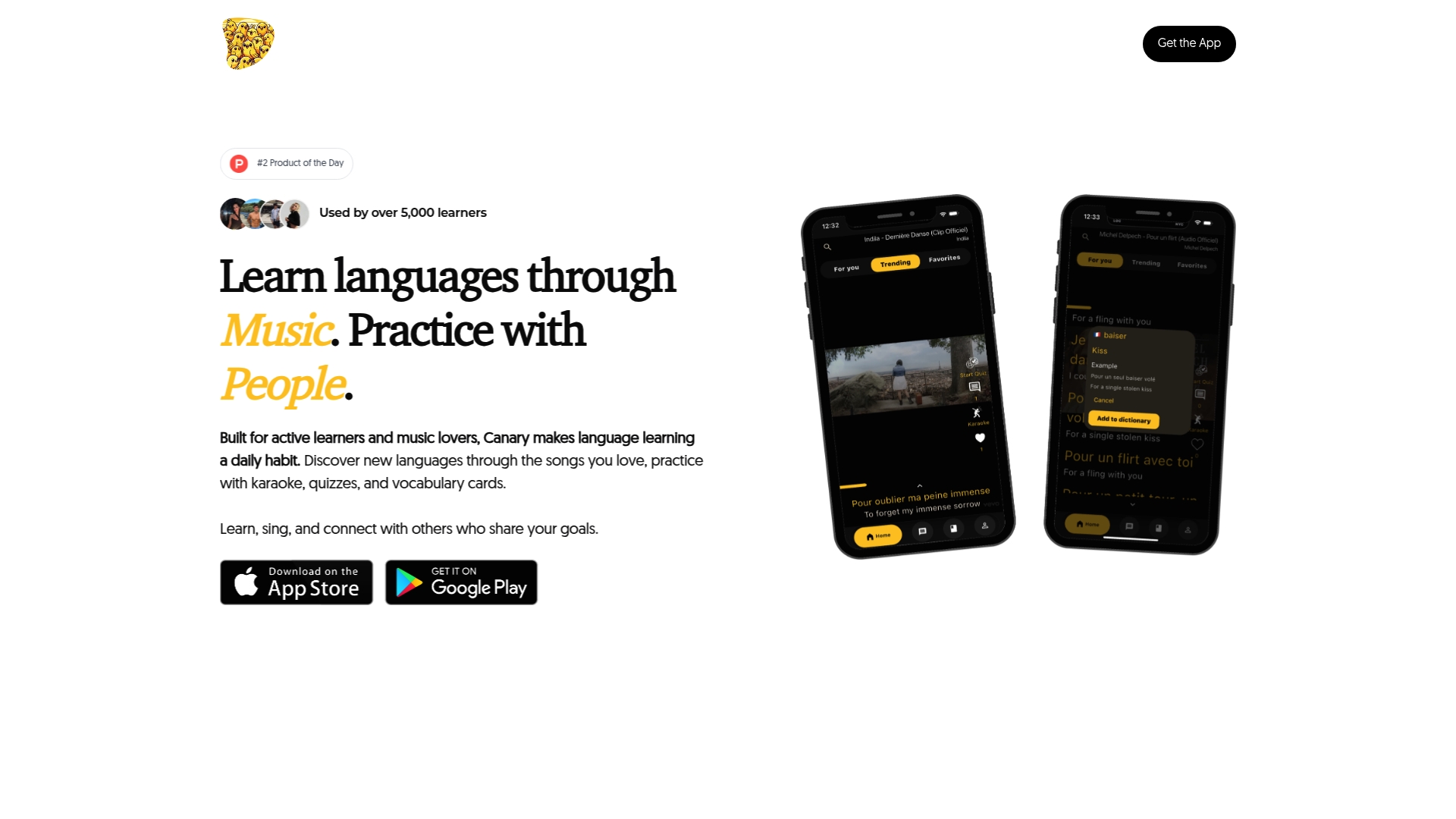
The platform combines karaoke-style singing practice with vocabulary cards and quizzes, creating structured workflows that implement the tips covered in this article. You can practice lyric retrieval, use spaced repetition with your favorite songs, and track pronunciation improvement over time. Interactive features keep practice sessions engaging while delivering measurable results.
SingWithCanary connects you with a global community of learners who share your passion for music and languages. Practice with international people, exchange song recommendations, and stay motivated through social interaction. The platform’s language learning workflow for beginners guides you step by step, making it easy to start even if you’ve never used music for language learning before. Ready to transform your language skills through music? Sign up and start your musical language journey today.
Frequently asked questions
What types of songs work best for language learning?
Choose songs with clear lyrics, moderate tempo, and relatable themes for easier understanding. Avoid heavily distorted vocals or extremely fast rap until you reach advanced levels. Personal interest matters most because songs you enjoy motivate consistent practice and emotional engagement, which strengthens memory retention.
How often should I practice language learning with songs?
Aim for daily short sessions of 15 to 30 minutes with spaced repetition for best retention and fluency improvements. Consistency outperforms cramming because your brain needs time to consolidate new vocabulary and pronunciation patterns. Even five minutes daily produces better long-term results than occasional marathon sessions.
Can singing along really improve my pronunciation?
Yes, singing improves pronunciation, stress, and intonation through rhythmic-prosodic entrainment. Your vocal muscles learn to reproduce authentic sound patterns through repeated practice. Rhythmic repetition reinforces correct stress placement and melodic intonation, helping you sound more natural in conversation. The physical act of singing creates muscle memory that transfers to everyday speech.
Should I combine music learning with other language study methods?
Yes, music works most effectively when combined with speaking practice, reading, and cultural immersion activities. It creates rich, contextual learning environments but shouldn’t be your only study method. Combining music with cultural immersion deepens understanding and helps you use vocabulary appropriately in real situations. Balanced approaches that integrate multiple methods produce the fastest, most comprehensive progress.